SIGCOMM 2026 POD
ACM SIGCOMM is the flagship annual conference of the ACM Special Interest Group on Data Communication (SIGCOMM). ACM SIGCOMM 2026, the 40th edition of the conference series, will be held between August 17 - 21, 2026, at the Colorado Convention Center in Denver, Colorado, USA.
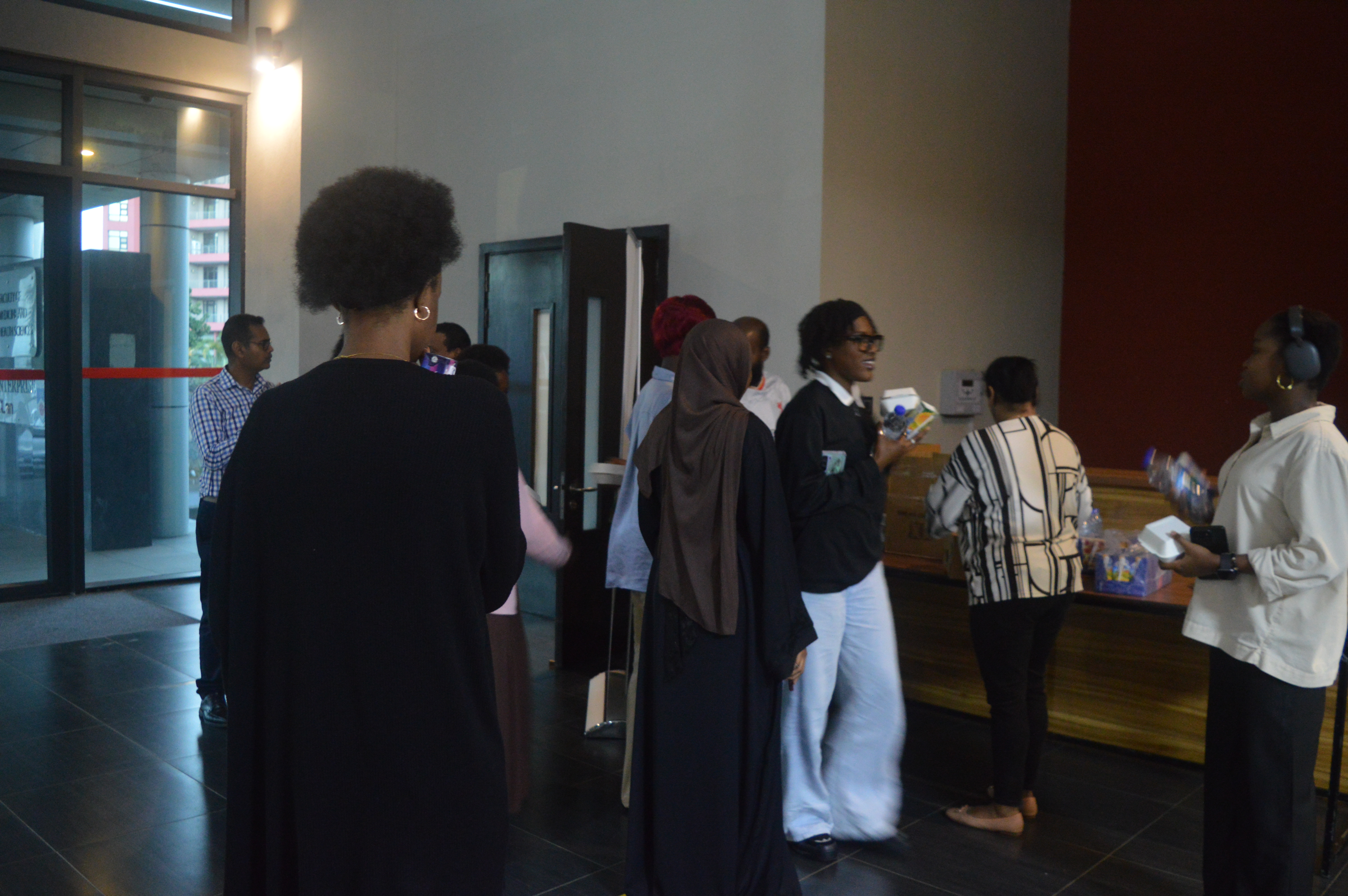
The Resilient and Innovative Computing Research Group, from the University of Mauritius organized a SIGCOMM Pod, themed, “Building Resilient Connectivity for Mauritius through AI and Networking Research” to coincide with the SIGCOMM main conference held in Denver, Colorado, USA.
The SIGCOM POD was scheduled for two days, Thursday 20th (4:00 p.m to 8:00 p.m ) and Friday 21st August (3:00 p.m to 8:00 p.m) by the Resilient and Innovative Computing Research Group.
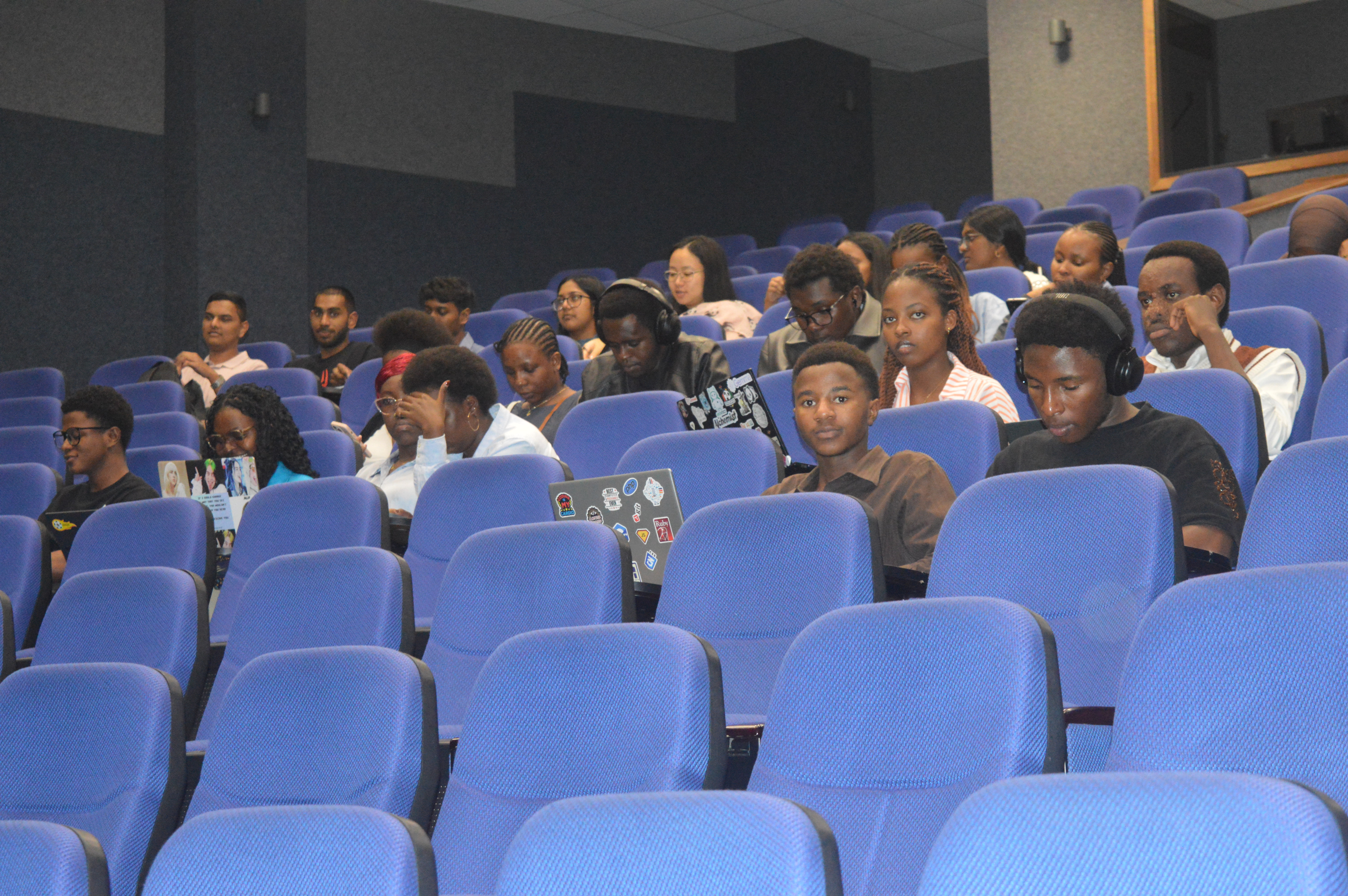
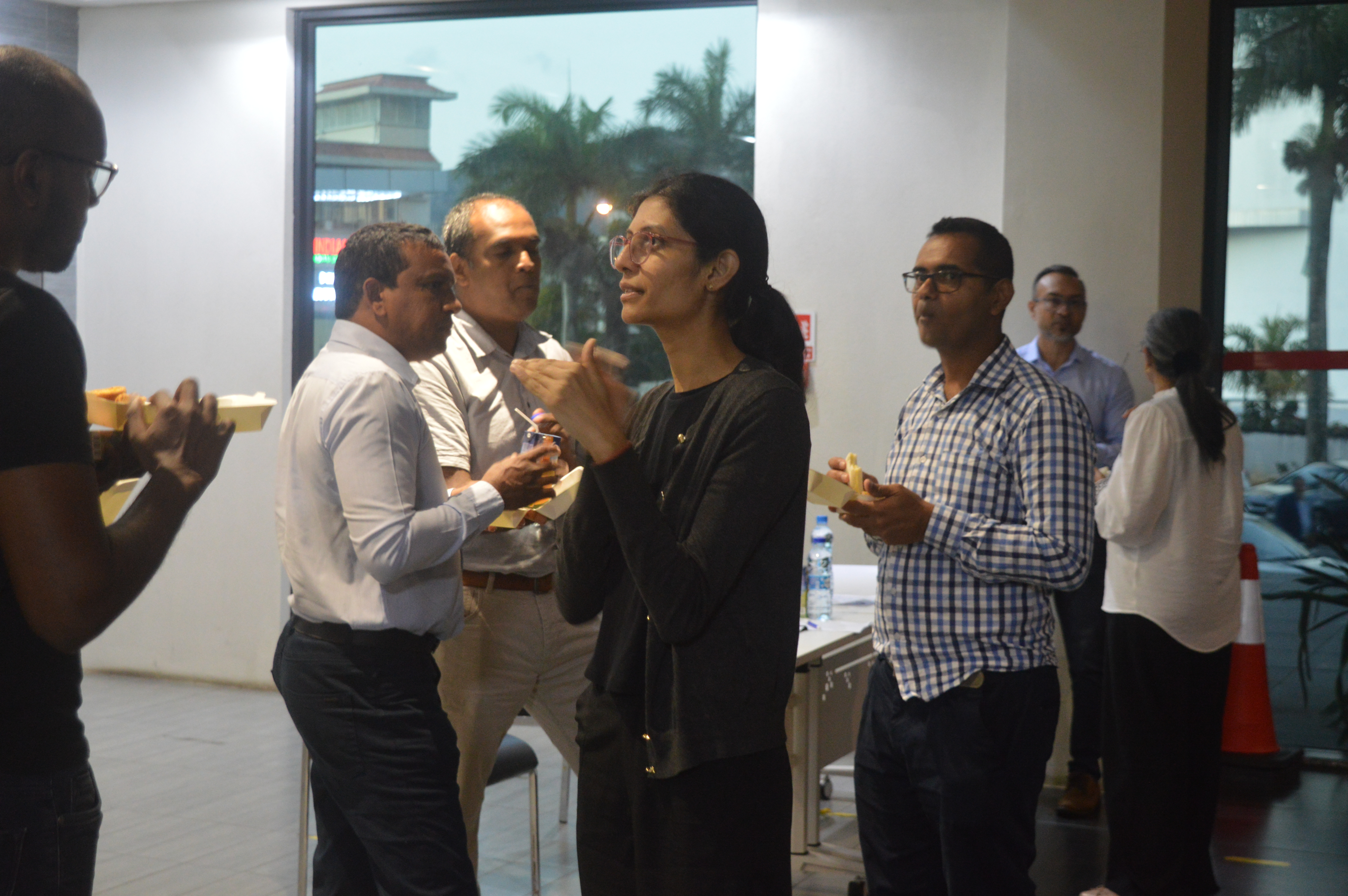
Participants included students from the University of Mauritius (UoM), University of Technology(UTM) and African Leadership College Of Higher Education (ALCHE). Moreover academics from UoM and UTM attended, along with industry professionals from Infosys, Blanche Birger Co Ltd, Mauritius Telecom, Aberdeen Services and Spoon Consulting.The welcome speech was done by our Vice Chancellor and FoICDT's representative. The VC spoke about the importance of such an event to regroup local students, academics and industry.
The SIGCOMM Conference is widely regarded as one of the most prestigious and influential conferences in the field of computer networking. Organized by the Association for Computing Machinery through its Special Interest Group on Data Communication (SIGCOMM), the conference serves as a premier venue for researchers and practitioners to present groundbreaking work on network architectures, protocols, systems, and measurements. The conference has played a critical role in driving innovations that underpin today’s global Internet infrastructure and emerging communication technologies.
Good things that came out from the POD sessions were students got to talk to industry people, two Cyber security students got internship leads with Blanche Birger Co Ltd. We as academics talked to the representative of Mauritius Telecom about collaboration options. We informed students and researchers about the Pod Fellowship Program and Pod Idea-to-Paper Program.